Key Takeaways
- Queensland pest control is mainly regulated under the Medicines and Poisons Act 2019 and the Medicines and Poisons (Pest Management Activities) Regulation 2021.
- Only technicians with a valid pest management licence can legally carry out treatments for a business.
- Food, healthcare, education and hospitality businesses face mandatory pest management requirements under state law.
- HACCP compliance treats pest control as a critical part of preventing food contamination.
- Records of treatment must be kept for three years, and non-compliance can lead to fines, closures and reputational damage.

Businesses in Queensland must protect their employees against pests, comply with regulations and keep all necessary records. Any pest management activity has to be carried out by a licensed technician, and risk management plans must be in place for higher-risk work.
An Overview of Queensland Pest Control Regulations Relevant to Business Owners
Pest control for businesses is mainly regulated by Queensland Health under the Medicines and Poisons Act 2019 and the Medicines and Poisons (Pest Management Activities) Regulation 2021. Business owners must ensure:
- Technicians treating pests hold a valid pest management licence that demonstrates their competency.
- Equipment supplied to employees is suitable for pest management activities.
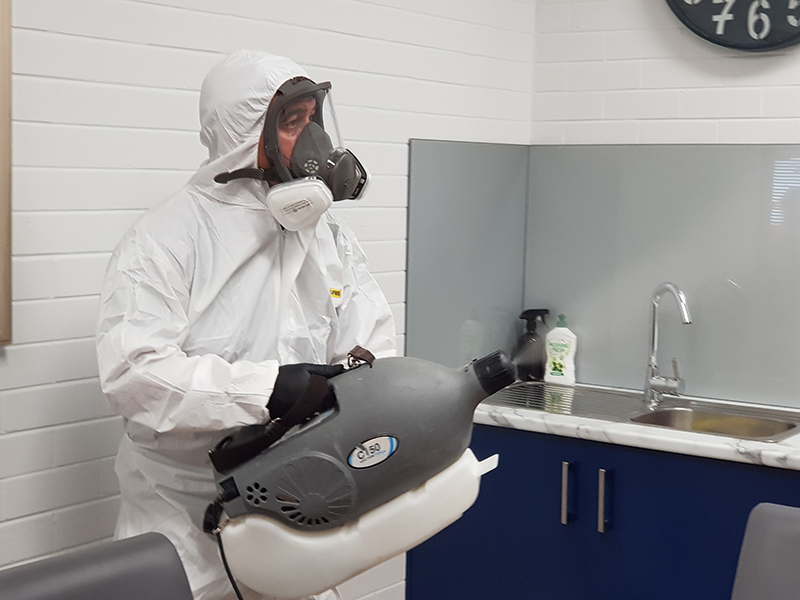
- Risk management plans are prepared for high-risk activities such as fumigation, with barriers and warning signs erected before work starts.
- Any chemicals used comply with regulations and are applied within labelled guidelines.
Industries With Mandatory Pest Management Requirements Under State Law
Commercial pest management requirements are governed by state-based food acts, public health acts and food standard codes. Industries mainly affected include:
- Any business handling food, such as restaurants, retail and food processing, where pest eradication and prevention must comply with HACCP and AQIS standards.
- Healthcare facilities such as hospitals, clinics and care homes, where pest control and prevention protect vulnerable patients.
- Schools and other properties caring for children, where areas must be kept free of pests.
- Hospitality and pharmaceutical businesses that need to pass strict audits.
HACCP Food Safety Compliance and How Pest Control Fits In
Hazard Analysis and Critical Control Point (HACCP) is a food safety framework that identifies and controls hazards, including those posed by rodents, birds and insects that can contaminate food. Threats come from viruses and other hazards carried by pests, from improperly used chemicals, and from contaminants entering the food supply.
A systematic approach identifies risks from pests, determines critical control points, and sets clear boundaries for measurement. Monitoring and control systems are set up, with regular reporting and auditing to verify they remain effective.
The Importance of Maintaining Records and Audit Trails
Records and audit trails prove compliance with legislation and protect businesses from penalties. Businesses are required to record treatment application details within 48 hours and keep those records for three years.
The benefits of a solid audit trail include:
- The ability to prove that regulations have been complied with.
- Proof of proactive risk management.
- Tracking of pesticide use and site conditions at the time of treatment.
- Building customer confidence through demonstrated adherence to the rules.
The Consequences of Non-Compliance for Businesses
Businesses that fail to comply with regulations can suffer severe consequences. Regulatory audits identify failings in systems, and non-compliance can result in:
- Heavy financial penalties, forced closure of operations for defined periods, and legal action.
- Outbreaks of illness caused by a failure of food safety controls that result in contamination.
- Ruined stock and equipment damage from pests chewing through packaging, cables and other items.
- Reputational damage that grows quickly once customers learn of pest activity or regulatory penalties.
Pest infestations invariably hit profitability, so there are always financial consequences to weigh against the cost of proper compliance.
How Partnering With a Licensed Pest Controller Keeps You Covered
A licensed pest controller will always operate effectively, comply with regulations, and use pesticides and techniques that do no unnecessary harm to the environment. At Control Pest Management, we hold licences issued by the state, are legally bound to do no harm beyond the target pest, adhere to all guidelines, and produce all required documentation.
To keep your business safe, fully compliant and protected at all times, contact us today.
FAQs
What legislation governs pest control for Queensland businesses?
Pest control in Queensland businesses is primarily governed by the Medicines and Poisons Act 2019 and the Medicines and Poisons (Pest Management Activities) Regulation 2021, both administered by Queensland Health.
How long must pest control records be kept?
Treatment application details must be recorded within 48 hours and retained for three years to support compliance and audit requirements.
What happens if a business uses an unlicensed pest controller?
Using an unlicensed technician breaches state regulations and can result in fines, invalid insurance cover and, in serious cases, closure of the facility.