
Key Takeaways
- A single pest sighting is never a one-off. Where there’s one, there are usually many more nearby.
- Cockroaches, rodents, termites, beetles, moths, birds and silverfish can all remain hidden for long periods before an infestation becomes obvious.
- A basic walkthrough checking cracks, moisture, vegetation and packaging damage can help you gather useful information before calling a professional.
- Delaying action increases both the cost of eradication and the risk to health, compliance and business reputation.
- A future-proofed pest response plan combines risk assessment, sealed entry points, barriers and ongoing monitoring.
Pest infestations can pose severe risks for any commercial property. They can cause structural damage, business interruption, safety hazards, legal penalties and harm to a company’s reputation. All of these add up to real costs for a business, so the danger can’t be ignored.
Early Warning Signs That Business Owners Commonly Overlook
When a pest infestation occurs, there are almost always warning signs, such as:
- Live or dead pests indicating activity.
- Noises behind walls, under flooring and within ceilings, particularly at night.
- Debris including droppings, shed skins or wings, and egg casings.
- Shredded materials used to build nests.
- Gnawed damage to packaging, wood, cables and other materials.
If you spot a single pest, never assume it’s a one-off. There will be more, and the danger will only increase over time.
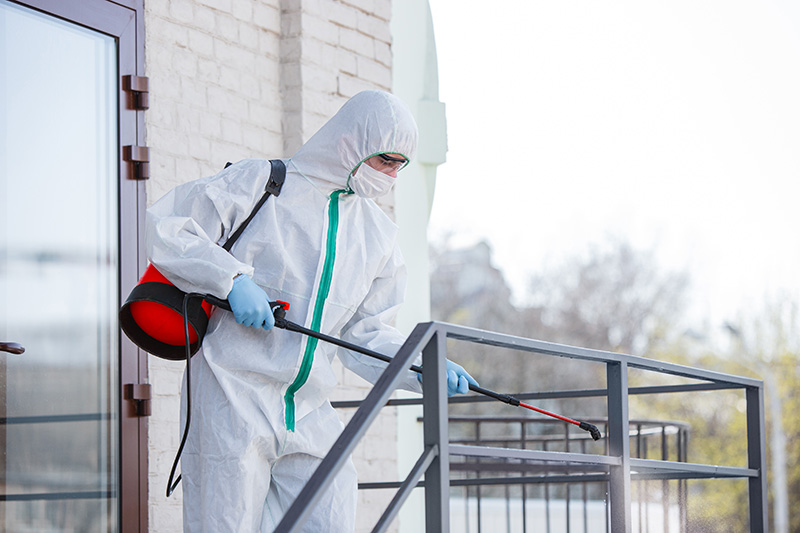
Pests That Stay Hidden in Commercial Buildings Until the Problem Is Severe
Although you may not see any pests, that doesn’t mean they aren’t there. Some remain hidden for long periods, growing in numbers and causing damage the whole time:
- Cockroaches are nocturnal and like to hide in warm places.
- Mice and rats can fit through tiny gaps and hide behind walls, under floorboards and within roof voids.
- Termites bore into timber and remain there, eating the wood from the inside out.
- Beetles and moths burrow into products and packaging, where they breed.
- Birds can be found in chimneys, HVAC pipework, on ledges and under roofs.
- Silverfish generally hide in dark, damp voids and cracks.
How to Conduct a Basic Walkthrough Before Calling in the Professionals
Before calling a professional, it’s worthwhile walking through the property to gather useful information:
- Inspect foundations and walls for cracks and gaps, particularly where pipes and cables enter the building.
- Make sure tree branches and vegetation don’t touch the building and provide access for pests.
- Check for excess moisture from dripping taps, leaking pipes and faulty appliances.
- Look for sawdust and holes in exposed wood.
- Check packaging for signs of gnawing.
Take notes of everything you find so you can inform the professional inspector and help speed up the assessment.
The Risks of Delaying Action Once Signs Appear
If you find evidence of a pest infestation, prompt action is essential, because the population will keep growing and the damage will keep increasing. Delays can result in:
- Increased costs to eradicate the pests and repair the damage. Termites in particular can cause severe structural damage that may be impossible to repair, and any costs are unlikely to be covered by standard building insurance.
- Illness, allergic reactions and other health issues among staff and customers.
- Businesses being shut down by authorities so trade is stopped, potentially causing long-term reputational damage.
- Harm to relations with the landlord in leased properties.
- Legal action resulting from non-compliance.
What to Expect When You Engage a Commercial Pest Controller
A commercial pest controller will conduct an assessment of the property, looking for signs of pest activity, vulnerable areas and the risk from specific species. A customised treatment plan is then created to resolve any issues found.
Longer term, regular commercial pest control inspections will be scheduled, with ongoing monitoring arranged where appropriate. The aim is to keep the property free of pests and the damage they cause.
Building a Future-Proofed Pest Response Plan for Your Business
An integrated pest management plan helps a business stay pest-free while it’s in operation. A risk assessment identifies the areas most at risk and determines what needs to be done.
Entry points will be sealed, barriers put in place, and monitoring set up to detect pest activity early. Advice is also given to help your business control pests effectively going forward.
For a pest-free business, contact us today, so you have one less thing to worry about.
FAQs
What is the first sign of a pest infestation in a commercial building?
The most common early signs are droppings, unusual noises behind walls or ceilings, and gnawed damage to packaging, cables or timber, often noticed before pests themselves are seen.
Should I wait and monitor a single pest sighting before calling a professional?
No. A single sighting usually indicates a larger, hidden population, so it’s best to arrange an inspection promptly rather than wait and risk the problem growing.
What should I do before a pest inspector arrives?
A basic walkthrough checking for cracks, moisture, vegetation touching the building and damaged packaging gives you useful information to share with the inspector and helps speed up the assessment.